AI Visibility Audit for ChatGPT and AI Search
An AI visibility audit shows where AI answers mention your business, where they miss it, and what to fix first.
You asked ChatGPT who to hire. It named your competitors. Before you pay for a new content plan, I’ll check the questions that matter to your buyers and trace what those answers are using. You get the evidence and a short list of useful next steps.
What an audit finding should help you decide
Illustrative decision sheet, not a client result or a test of your website.
| What the answer does | What I check | The useful next step |
|---|---|---|
| Names a different business with your name | Brand details and the sources behind the answer | Correct the identity problem before writing more pages |
| Cites your guide but recommends a competitor | Whether your offer, fit and proof are clear | Improve the commercial page and its supporting evidence |
| Never finds the relevant service page | Indexing, access and the links leading to that page | Fix discovery before buying a content package |
Start with the reason you are missing. A page problem, a name mix-up and a weak reputation need different work.
What you get from my AI search audit
The deliverable is a written report you can use. It includes the questions tested, the assistants checked, dated answers, source links where available, competitor observations and the recommended work in order. You can see what each recommendation is based on.
I separate a verified problem from a possible explanation. If an answer mentions another company, that is an observation. Saying exactly why it chose that company needs more evidence. A report should make that distinction easy to see.
We agree on the scope before I start: the product or service, audience, market, competitors and platforms. A local provider and a software company need different questions. Testing every topic your company could possibly touch is rarely a sensible first job.
Buyer questions come before a visibility score
I start with the decisions your customers make before buying. Who can solve this problem? Which provider fits this situation? What is the difference between the options? Those questions tell us more than asking an assistant whether it has heard of your company.
Branded questions help find factual mistakes. Unbranded questions show whether the business appears when the buyer has not chosen a name yet. I keep the two groups separate so a strong result on your own name does not hide a weak result on service searches.
Some questions will not be worth tracking. If the answer would attract the wrong customer, it does not belong at the center of the work. My focus is the search that could lead to a useful enquiry, not the biggest collection of screenshots.
ChatGPT, Perplexity, Gemini and Google need separate evidence
An answer from ChatGPT does not establish what Perplexity, Gemini or Google AI Overviews will show. Within the agreed scope, I record the assistant and the conditions of each observation. I also note when the product does not search the web or does not provide a source.
Answers can vary between runs. The report keeps the question wording, date and available context alongside the result. Repeat checks help distinguish a recurring issue from one unusual answer, without pretending the sample represents every buyer.
A mention, a linked citation and an explicit recommendation are different findings. A page can be used as a source while the business is absent from the recommendation. I make that visible because it changes what we should fix.
I check your website and the sources around it
The website review looks at access, indexing signals, page structure and the information a buyer needs to judge the offer. I check whether the right page is easy to find and whether its service details agree with the rest of the site.
Then I review the sources linked in the sampled answers. A third-party article might describe an old offer. A directory may use a different business name. A forum discussion may explain the competitor’s fit more clearly than your own website explains yours.
That does not mean every missing mention needs a backlink campaign. Sometimes the immediate job is correcting a misleading description or strengthening an existing page. The audit should help you choose the smallest useful intervention.
An AI visibility audit is different from a technical SEO audit
A technical SEO audit concentrates on how a website can be crawled, indexed and used. This audit also checks what sampled AI answers say about the business, which competitors appear, and which sources support those answers.
The work overlaps when a blocked or poorly linked page is part of the problem. I explain the overlap before quoting. You should not pay twice for the same crawl review because one report says SEO and another says GEO.
If the main problem is already clear, you may be ready for GEO content optimization. If you need repeat observations after changes, AI visibility tracking services cover that ongoing job.
AI crawler access, robots.txt and a sensible technical check
Search visibility depends in part on which pages a crawler can reach. I inspect the relevant robots.txt rules, page directives, canonical URLs and response codes. A blocked page is a specific finding we can act on; a generic “AI readiness” badge is not.
Different AI systems use different access methods. A training crawler and a search crawler can have different purposes. I check the current documentation before recommending a change, and I do not remove your access controls just to make an automated score look better.
You may have been offered an llms.txt file as a quick fix. It cannot replace an accessible, informative website. Google says its AI features do not require special AI text files. Any technical recommendation in my audit needs an explanation of the actual problem it addresses.
Prompt selection and a repeatable competitor benchmark
A prompt is the question sent to the assistant. Small wording changes can alter the response, so I keep a record of the query used. If we test across multiple AI platforms, the visibility report identifies each one rather than blending the answers together.
A benchmark is useful only when the sample is described. If a report uses share of voice, it should state which brands and answers were counted. A change in that group can change the percentage without a meaningful improvement in brand visibility.
The same care applies to sentiment. A neutral description, a negative claim and a recommendation are different observations. I check what the AI response actually says before treating the tone as a reputation problem.
Do you need an audit if you already use an AI SEO tool?
You may already use Semrush, Ahrefs or another AI visibility tool. Their data can be useful input. The audit adds the judgement: whether the tracked questions matter, where your brand appears, whether the sources are accurate and which fix deserves the budget.
A software report cannot confirm every fact about your business. We still need the correct service details and permission to use the proof. I check the evidence against those facts before turning a tool recommendation into work on the site.
You can also start without a subscription. A smaller, documented sample may answer the immediate question. The scope should fit the decision, whether the label on the proposal is AI SEO, AEO or an AI search visibility audit.
Direct work with Zechariah Tokar
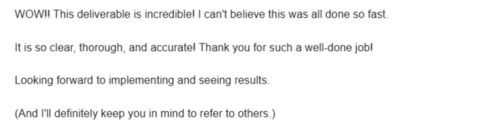
I handle the research and the recommendations myself. The existing audit feedback below describes work on brand-name confusion, category wording and missing evidence. It is relevant to this service because those are concrete problems an audit can uncover.
I work with businesses selling into US and English-speaking markets. Your actual customers, offer and sales process shape the audit. Being based in Israel does not mean the work is limited to Israeli searches.
After the report, you can ask me to quote implementation, use your own team or stop with the findings. A useful diagnosis should stand on its own. Broader work is available through my answer engine optimization services.
What I need to quote the audit
Send your website, the service or product you want buyers to find, the market you sell into and a few competitors you hear about on sales calls. If you have an example of an inaccurate AI answer, include the question and screenshot.
Existing Search Console and analytics data can help connect the findings to the business. Public information is enough to discuss a starting scope. I will explain any account access needed before work begins.
Fees depend on the agreed question set, markets and platforms. There is no promised citation count or guaranteed ranking attached to the report. The promise is clear evidence, honest limits and a practical recommendation.
Let’s make the scope clear.
Can you audit a small business or a local service?
Yes. I can scope the audit around one service and the area you actually serve. The questions should reflect a customer choosing a provider, rather than broad national searches that would never become a useful lead.
Will the audit get my brand recommended by ChatGPT?
The audit diagnoses gaps and recommends work. It does not control the answer ChatGPT gives. Implementation and follow-up measurement are separate scopes, and nobody can guarantee every assistant will recommend a brand.
Can you work with our existing SEO team?
Yes. The report can go to your team, with the evidence and the order of fixes. We can agree on who handles the page changes, source corrections and measurement so the same job is not bought twice.
What happens after the audit?
We review the findings and choose the next step. That might be a page rewrite, a technical fix, correcting business information or repeat tracking. If the evidence does not justify more work, I will say so.